Neighborhoods We Serve
Coverage and considerations for exterior work in each region
What This Is
Exterior work — roofing, siding, windows, gutters, and related services — varies significantly by location. Property managers in one neighborhood face different code requirements, climate challenges, and contractor availability than those in another area. This page breaks down the neighborhoods Apex Property Solutions covers and highlights what makes each one distinct when planning exterior improvements.
We focus on Maine’s coastal and near-coastal regions where we manage properties and maintain relationships with local contractors. Contractors in our network understand the seasonal demands, salt-air exposure, and building code requirements that make this region unique. When you’re planning roofing or exterior work on your property, understanding which neighborhood you’re in helps both you and your contractor plan appropriately.
Key Regional Figures
55 mph
Typical winter wind exposure
8–12
Weeks of heavy snow/ice per year
60 yrs
Average roof service life expectancy
1–3%
Annual roof degradation rate
Service Area Breakdown
| Region | Primary Communities | Climate Considerations | Typical Project Timeline |
|---|---|---|---|
| Coastal Corridor | Ogunquit, Wells, Kennebunk, Biddeford | Salt air exposure, wind-driven rain, freeze-thaw cycles | April–October; winter work limited |
| Suburban Zone | Greater Portland area neighborhoods | Heavy snow load, ice damming, condensation in older homes | May–September preferred |
| Interior Properties | Inland residential and mixed-use | Moderate snow; summer humidity; varied elevation | May–October; year-round possible |
Building Codes & Regional Compliance
Work in this region falls under the Maine Uniform Building and Energy Code, administered by the state’s Office of State Fire Marshal — it’s part of what we check before recommending anyone for exterior work here. Building permits, material specifications, wind and snow load calculations, and energy efficiency standards all vary by community and site-specific conditions.
Contractors we recommend are familiar with these requirements for their service areas and understand permit timelines, inspection points, and what the local building department expects. Understanding your neighborhood’s specific code requirements is an essential part of planning exterior work — your contractor should be able to explain what applies to your property and why.
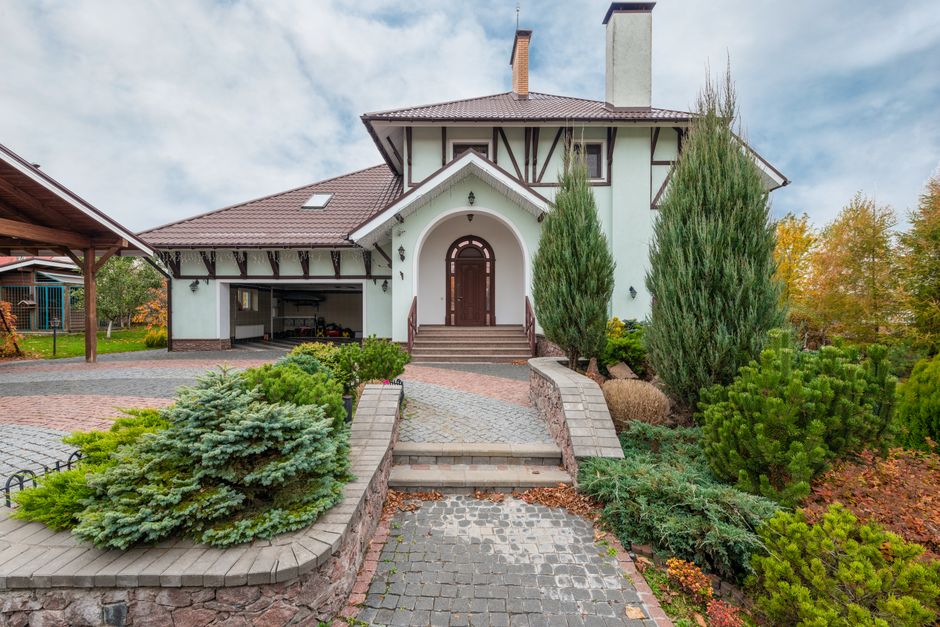
Exterior improvements should be planned with your neighborhood’s climate, code environment, and contractor availability in mind. That’s why we take geography seriously when making recommendations. A contractor who excels in managing coastal salt-air challenges may have different approaches than someone serving inland properties, and both matter when you’re planning work that has to last for years.